Appointment booking

Photography booking software for shoots, studios and delivery

  • Three commitments that stop double-booked Saturdays
  • A shoot takes the photographer for its whole shape
  • The studio and the kit are separate limits

No card asked for · nothing taken from a booking · your data exports

Operating model
Appointment booking
What is booked
Service → Staff → Time
Getting started
Session types to prepare in the photo studio booking system

The shoot is the visible hour. Around it there is the drive to the location, the setup, and then two days of editing that nobody puts in a calendar until the week is already full. Outdoor sessions are not scheduled at a convenient time either — they happen when the light does. Base books the hour the light allows, holds the studio and the kit that two photographers cannot both have, and keeps the editing time where it can be seen before the next booking is accepted.

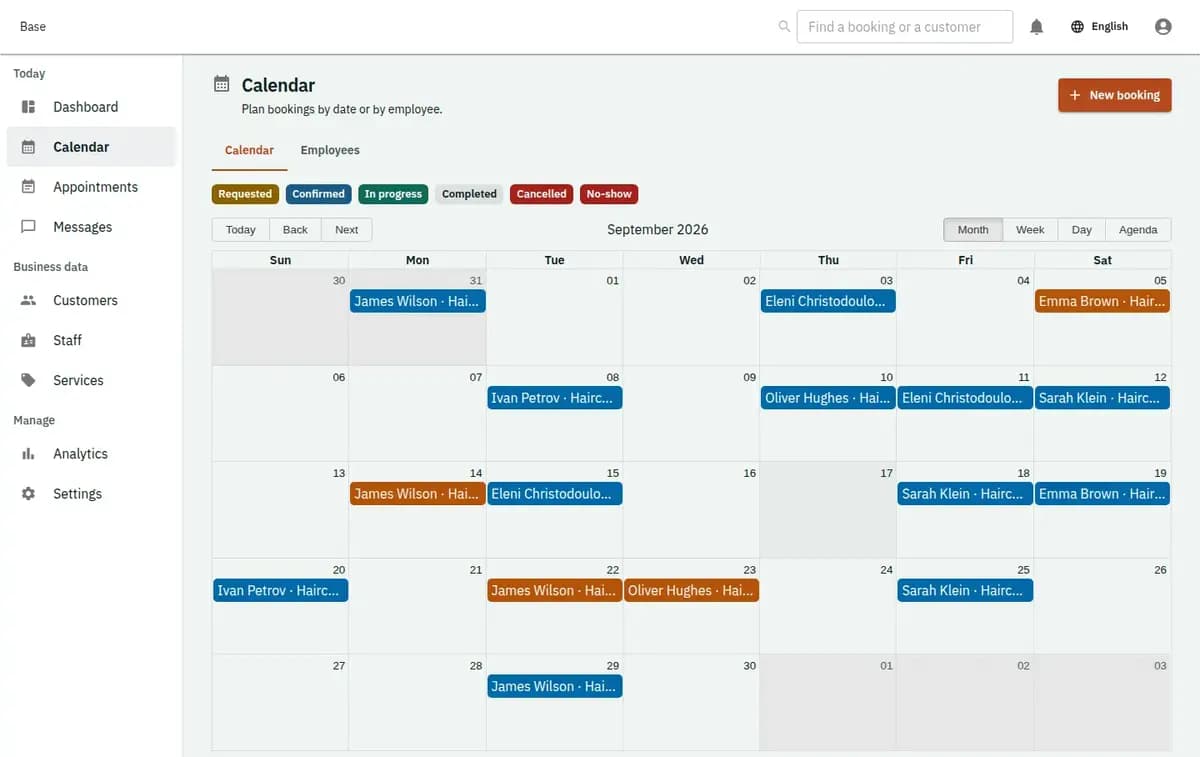
Base calendar showing photo sessions with travel and editing time, a studio booking and a second shooter
A real console. The records in it are invented.

Who this photography booking software fits

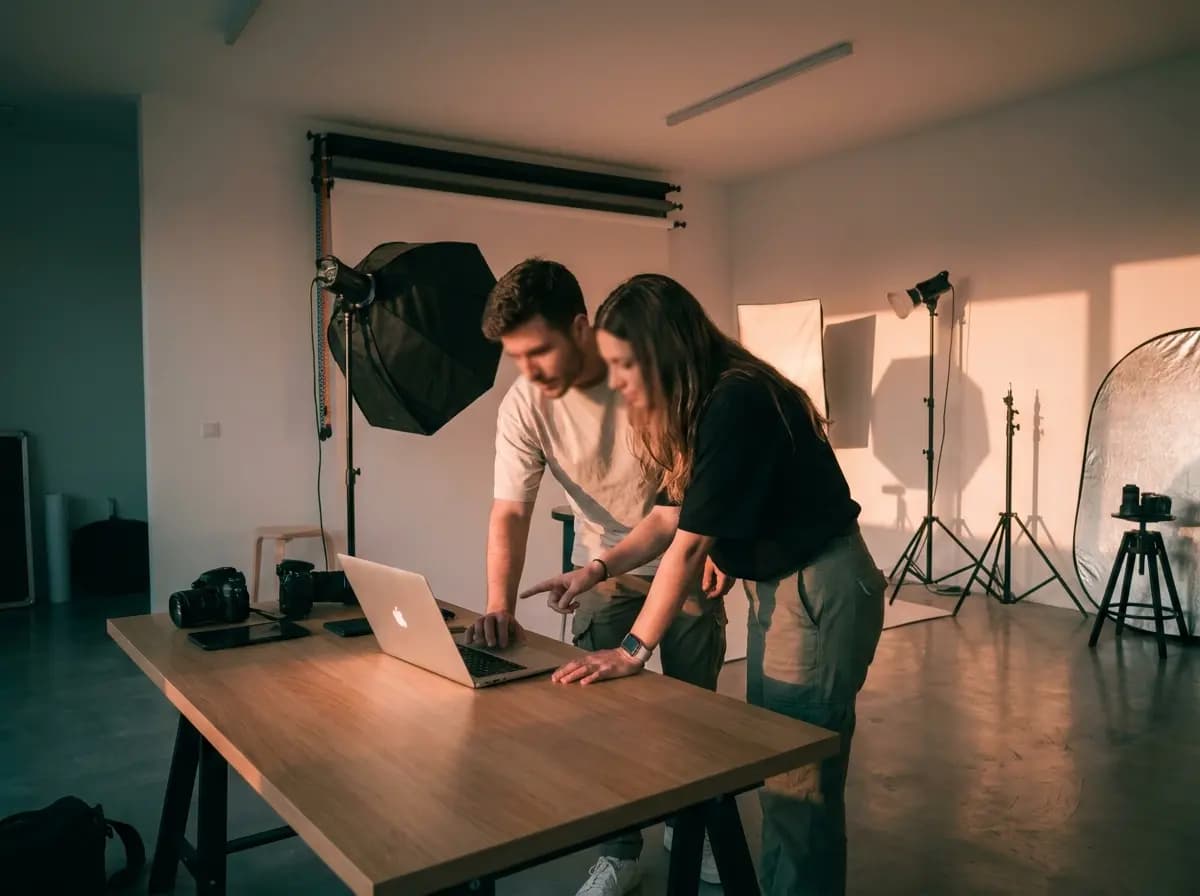
It fits a portrait, family or wedding photographer working alone, a small team sharing one studio, and a studio that rents its space and lighting to others. It is useful when outdoor sessions depend on daylight, when travel to a location is real time, when editing and delivery are the part of the job that overruns, when a second shooter or an assistant has to be free on the same day, and when a deposit is what stands between a held Saturday and an empty one.

Photographer booking system from enquiry to delivery

Five steps, and the last two are the ones that usually happen outside any system.

  1. 1. Enter photographers, the studio and the kit

    Each photographer goes in with their real hours and the days they will not shoot. The studio is entered as a resource, and so is any equipment that genuinely limits two jobs happening at once — a second body, a lighting kit, a drone. If you are one photographer with one bag, you may need none of it.

  2. 2. Describe session types with their whole shape

    A studio portrait, a family session on a beach, a product day, a wedding. Each carries its shooting time, the travel around it and the editing time it will need afterwards. That is what makes an honest week rather than an optimistic one.

  3. 3. Set outdoor sessions by the light

    Publish the hours that work for the season rather than the hours that are convenient, and let the calendar hold them. When weather forces a change, the session is moved under the policy you published and the reason is recorded; Base supports the notification, and the judgement stays with you.

  4. 4. Confirm the shoot with everything it needs

    The photographer, the studio if it is a studio session, the kit, and a second shooter or assistant where the job needs one. All of them are checked together, so a Saturday cannot be confirmed with nobody free to hold a light.

  5. 5. Keep the editing and the delivery visible

    The editing time sits in the calendar as time, and the delivery date is a fact the client was told rather than a hope. When a shoot moves, the work after it moves too — which is the part that usually makes a photographer late for somebody else.

Why a shoot calendar misleads everybody

Three things, and all three are invisible in a diary that only holds the session itself.

The session is the smallest part of the job

A ninety-minute family shoot is a journey, a setup, the shoot itself, and then a day or two of selecting and editing. A calendar that shows only the ninety minutes looks like a week with room for six more sessions, and the photographer finds out in the fourth week that everything is late. Travel and editing belong in the calendar as time, not as a private worry.

Daylight is not negotiable

An outdoor session an hour before sunset cannot be moved to eleven in the morning to suit a diary, and in December that hour arrives much earlier than in June. Sessions that depend on light need their times set by the light, and moving one because of weather is a decision the photographer makes and the calendar records — not something a forecast decides on its own.

The studio and the kit are shared, and both run out

Two photographers cannot both have the studio at four, and they cannot both take the only lighting kit to different addresses. Held as their own resources, they are checked with the booking; kept in somebody’s head, they are discovered when a car is already loaded.

Three commitments that stop double-booked Saturdays

Three commitments, each of them a Saturday that could otherwise be sold twice.

A shoot takes the photographer for its whole shape

Travel out, setup, the session, and the return are one commitment. Two shoots that would only fit if nobody had to drive are not both confirmed, and the refusal says which part did not fit.

The studio and the kit are separate limits

A studio session checks the room; a session that needs the lighting kit checks the kit. Either being taken refuses the booking on its own, so the equipment that lives in one bag stops being promised to two addresses on the same morning.

The deposit is a recorded fact

The studio takes its deposit its own way and records that it was taken, when and by whom. That record is what makes a cancellation conversation short. Base does not hold the money, does not refund it and does not decide who keeps it.

Beach light, shared kit and a small studio week

A beach session at the wrong end of the day, and the kit that two people wanted.

A family shoot at golden hour

The session is published for the hour before sunset in September, not for four in the afternoon. Travel to the beach and the drive back are part of the booking, and the two editing days go in behind it. When it rains, the session moves under the published policy and the editing days move with it, so the next client is told before they notice.

One lighting kit, two photographers

Both want Saturday morning, one in the studio and one at a house across town. The studio session takes the room, the location session takes the kit, and the second request for the kit is refused with the reason named — at the point of booking, rather than at seven in the morning next to an open car boot.

Images and contracts stay outside the booking

Photography produces images and paperwork with real weight, and neither belongs in a calendar.

No images, no galleries, no delivery

Base holds the client, the session, the time, the resources and the outcome. Photographs, raw files, client galleries and delivery links live in the tools you already pay for, under their own storage and access rules. A booking record is not a place to accumulate somebody’s likeness.

Contracts and releases stay yours

A model release, a licence, a wedding contract and whatever your clients sign belong to your own process and retention. Base can hold a short note that a document exists; it does not store the document, does not evidence consent and does not decide what any of it permits.

Session types to prepare in the photo studio booking system

Write down the real shape of each session type: the shoot, the travel and the editing you actually need, not the version where nothing takes longer than planned. Decide which sessions depend on daylight and set their hours by the season rather than by convenience. Enter the studio and any equipment that genuinely limits two jobs at once, and leave out everything that does not. Write your weather policy and your cancellation notice, and decide what a deposit means for both. Decide who may book on a photographer’s behalf. Then enter the next two months of confirmed work before you go live — the weeks that will not fit are the ones where the editing was never counted.

What this profile leaves to other tools

The calendar owns the time; the photographs and the money belong elsewhere.
When a different product is needed

Base does not host galleries, does not deliver photographs, does not store images or raw files, does not sell prints, does not manage editing workflow or retouching queues, does not take payment and does not chase a licence or a model release. It books people, hours, the studio and the equipment; the photographs and the contracts live in the tools you already use.

Not a gallery or a delivery service

No image hosting, no proofing, no client galleries, no print ordering. Those are separate products, and a booking system that pretended to do them would be the worst version of both.

Not a weather service

Base holds sessions at the hours you set and records a move made under your published policy. It does not read a forecast, does not cancel anything on your behalf and does not judge whether the light will hold.

A refusal is a valid result

A photographer already shooting, the studio taken, the kit out on another job or a session that leaves no travel time stops the booking. The previous state stands, the reason is plain, and the client is offered a time that survives contact with the road.

Photography booking questions

Will bookings sync with the calendar I already use?

Yes. The photographer booking system syncs both ways with Google and Microsoft calendars, so a personal commitment there blocks the time here and every shoot, with its travel and editing time, appears in your own calendar. Used as a photo studio booking system, it also checks the studio and the lighting kit with each booking. Clients book in English, Greek or Russian and receive notifications by email or Telegram.

Can travel and editing time be booked with the shoot?

Yes. Each session type carries its travel and its editing time, and the calendar reserves all of it, so a week of six shoots does not quietly become a month of late deliveries.

How are daylight-dependent sessions handled?

You publish the hours that work for the season and the calendar holds them. A move because of weather is made by you under your published policy and recorded on the booking; nothing is decided from a forecast.

Can the studio and equipment be booked separately?

Yes. Both are entered as resources and checked with the booking, so the only lighting kit cannot be promised to two locations on the same morning.

Can a second shooter be scheduled?

Yes. A session can require an assistant or second photographer, and it is refused when that person is not free — rather than confirmed and discovered on the day.

Does Base take the deposit?

No. You take it your own way and the booking records that it was taken, when and by whom. There is no payment handling and no rule about who keeps it after a cancellation.

Are photographs stored here?

No. Images, galleries and delivery live in the tools you already use. Base keeps the client, the session, the resources and the outcome.

Next step

Open a workspace and set up one booking flow

Registration takes an email address. The operating model, services and resources are configured afterwards, in the console.